Sixty years after the NFL and AFL stunned the sports world with their merger announcement, Joe Browne is telling the story again. The retired executive who became the longest-tenured employee in NFL history opened up this week in a Wall Street Journal op-ed about his front-row seat as a college intern on June 8, 1966.
Browne was working at the league office in One Rockefeller Center when his boss handed him a manila envelope. Inside sat the news release the entire sports world had been waiting for. No formal agreement had been signed yet. That single detail made the words carry extra weight.
He was told to get it to United Press International Sports. Fast.
Browne did exactly that. The announcement landed. Rival leagues that had spent years battling for players and fans suddenly moved toward one future. Browne later wrote that the day at the Warwick Hotel in New York might stand as the most significant in American sports history.
The Young Intern and the Weight of the Moment
Picture it. A college kid, barely out of school, walking through midtown Manhattan with history in his hands. The streets moved at their usual clip. Inside the envelope, everything was about to shift.
Jim Kensil, a top NFL executive at the time, had given Browne the task. Another staffer took a copy to the Associated Press. Browne headed to UPI. The release went out. The sports world stopped and took notice.
Browne has reflected on that day before. He has wondered out loud what might have happened if he had called in sick. One small decision by one young intern helped push the biggest story in the game out the door on schedule.
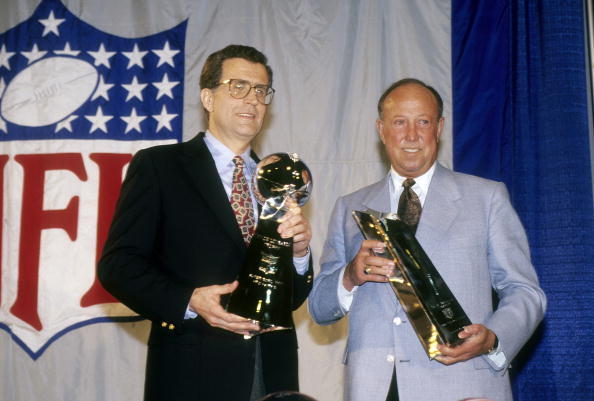
The press conference itself unfolded at the Warwick Hotel. Pete Rozelle and league leaders made it official. The merger would bring the leagues together. A common draft would follow. The AFL clubs would eventually fold into the AFC. The Super Bowl, still in its early form then, would grow into the cultural event it is today.
Why the Merger Mattered Then — and Why It Still Does
The two leagues had been locked in a costly fight. Star players jumped back and forth. Salaries climbed fast. Smaller markets felt the pressure. The public announcement on June 8, 1966, brought stability everyone needed.
By 1970 the full merger was complete. One stronger league emerged. Television deals grew. Fan interest exploded. Pro football pulled ahead of baseball and every other sport in popularity. Browne put it plainly in his op-ed: pro football has become America’s favorite sport by a wide margin.
Sixty years later the proof sits in packed stadiums, record TV ratings, and the way Sundays still revolve around the league. The structure born from that merger created the platform the NFL stands on in 2026.
“It’s been a heckuva 60 years.” — Joe Browne
Browne’s story adds the human piece to the history books. Not just commissioners and owners. A young intern who happened to be in the right office at the right time played his part. He carried the news that helped turn two competing leagues into one powerhouse.
The envelope is long gone. The impact is everywhere you look on fall weekends. (WALL STREET JOURNAL, 6/7).