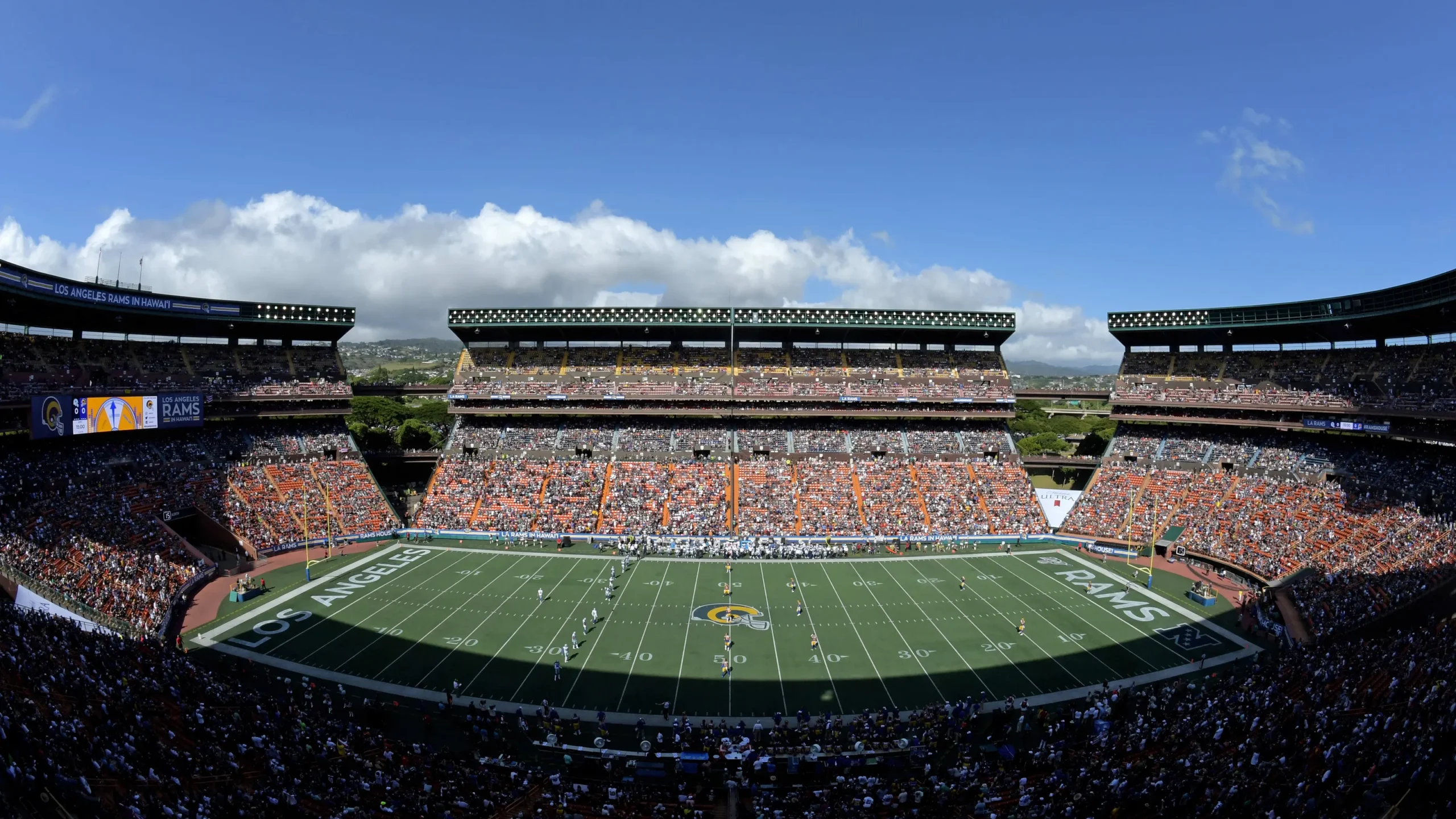
The NFL’s next expansion team will not appear overnight. League owners move deliberately, and the current focus stays on international games — nine of them scheduled for 2026, including a return to Mexico City. Yet domestic markets keep resurfacing in every serious conversation. Last October the Touchdown Wire highlighted St. Louis, Toronto, Salt Lake City, San Diego and Portland. Those remain strong names. Today we turn to five other American cities that deserve the same serious look.
These markets vary wildly in size, geography and obstacles. Some sit ready with stadiums and proven fan support. Others face travel nightmares or powerful owners who prefer the status quo. All of them would bring something the league does not currently own.
Here is a quick comparison of the key numbers that matter most to decision-makers.
| City | Metro Population (approx.) | TV Market Rank (2026) | Key Stadium | Biggest Hurdle |
|---|---|---|---|---|
| San Antonio | 2.6 million | #31-32 | Alamodome | Jerry Jones opposition |
| Honolulu | 1.0 million (Oahu) | #69 | Aloha Stadium (aging) | Travel distance & small TV footprint |
| Sacramento | 2.4 million | #20 | Potential new or shared | 49ers/Rams/Chargers territory claims |
| Orlando | 2.7 million | #15-16 | Camping World Stadium | Three existing Florida teams |
| Louisville | 1.3 million | #49-50 | Lynn Family Stadium (UFL ready) | Smaller market size |
Now the deeper case for each.
San Antonio: The City That Already Acts Like It Has a Team
Drive down I-35 through central Texas on a fall Sunday and the Cowboys flags outnumber every other team combined. San Antonio loves its football. The Alamodome already stages UFL games that draw loud, invested crowds who treat every series like playoff football. The metro area exceeds 2.6 million people. The TV market ranks solidly in the low 30s. The Spurs proved this is a pro-sports town that shows up and spends.
The obstacle sits in Dallas. Jerry Jones has long viewed the I-35 corridor as Cowboys country. Multiple reports over the years show him pushing back hard against any franchise that would split that loyalty. Houston got its team; San Antonio never has. Until ownership changes or the other 31 owners decide the market is too valuable to ignore, the door stays mostly closed.
Still, the infrastructure and the hunger exist. A new or renovated stadium plan would likely appear the moment real momentum built. San Antonio checks nearly every box except the one that currently matters most inside league circles.
Honolulu: Paradise Comes With a Price Tag
The weather alone makes a compelling sales pitch. Trade winds, ocean views and a population that already treats the University of Hawaii Rainbow Warriors like royalty. The Pro Bowl called Hawaii home for decades. Stars such as Marcus Mariota and Tua Tagovailoa grew up here and made it to the NFL. Fans would pack any stadium on Sundays.
The numbers tell a tougher story. Honolulu’s DMA sits around 69th nationally — smaller than several current NFL markets and far smaller than the regional draws that sustain Green Bay or New Orleans. Every road game becomes a cross-country endurance test. Flight times from the West Coast run six hours or more. Scheduling, player recovery and television windows all get complicated fast. The league has never shown serious interest in solving those problems for a full franchise.
Would drafted players complain about reporting to Hawaii? Some might. Many others would call it the best assignment in football. The market size and logistics remain the real barriers.
Sacramento: Healing the Raiders Wound
Northern California still feels the absence of the Raiders. The move to Las Vegas left fans in the Central Valley and the capital region without a nearby team. Sacramento’s metro population tops 2.4 million. Its TV market ranks 20th. The NBA Kings have turned Golden 1 Center into a genuine home-court advantage. The pieces for football success sit in plain sight.
An NFL franchise could draw from Sacramento proper, the growing suburbs and the broader valley. It would give California a true northern presence again rather than everything funneling through the Bay Area or Los Angeles. The challenge is simple: the 49ers, Rams and Chargers already claim pieces of the state. Adding a fourth team would require careful territory negotiation and a strong ownership group willing to invest in a new or significantly upgraded stadium.
Read More: Mike Vrabel and Dianna Russini Controversy Reignites After Crissy Froyd Howard Eskin Show Comments
The bad taste from the Raiders’ exit has not fully faded. That lingering frustration could actually work in Sacramento’s favor if the right moment arrives.
Orlando: Tourists, Sunshine and a Ready-Made NFL Relationship
Florida already has three NFL teams, yet Orlando keeps finding ways to stay in the conversation. The metro area exceeds 2.7 million. The TV market ranks 15th or 16th nationally. Camping World Stadium has hosted the Pro Bowl multiple times. The NBA’s Magic draw consistently. Millions of tourists pass through every year, many of them football fans looking for something to do on a Sunday.
Recent developments add weight. The Jacksonville Jaguars are scheduled to play home games at Camping World Stadium in 2027 during their own stadium situation. That temporary arrangement gives the league fresh data on how the market performs with real NFL product on the field.
The three existing Florida owners would likely resist splitting the state further. Residents, however, have shown they will support quality sports entertainment. Orlando’s central location and tourism engine make it one of the cleaner expansion cases on paper. The question is whether the league wants four teams in one state or prefers to spread the map.
Louisville: The Passionate Underdog
This remains the longest shot of the five, yet the ingredients are real. Louisville sits in the largest media gap between existing NFL markets — between Indianapolis, Cincinnati, Nashville and beyond. The metro population hovers around 1.3 million. The TV market ranks near 50th. College football already dominates Saturdays. The University of Louisville Cardinals and University of Kentucky Wildcats create a deep reservoir of football knowledge and emotion.
Read More: Joe Browne Recalls the Day One Envelope Changed Pro Football
The new UFL franchise launching in 2026 at Lynn Family Stadium will only sharpen that appetite. Fans here adapt quickly and show up when the product feels authentic. A true NFL team would give Kentucky its first franchise and turn already-passionate Saturdays into equally intense Sundays.
The hurdles are obvious: smaller market size, the need for a dedicated stadium plan and the reality that owners prefer larger TV footprints when they vote on expansion. Still, the passion in the Bluegrass runs deep enough that Louisville deserves a spot on every serious long-term list.
The NFL will expand again. The only questions are when, how many teams and where. These five cities will not all get franchises. Some may never get serious consideration. But each one offers something the league currently lacks — whether that is a massive untapped Texas market, a Pacific presence that solves its own travel puzzle, a healed Northern California footprint, a central Florida hub or a passionate mid-market that simply loves football.
The next move belongs to the owners. The cases above are already on the table.
Source on Article: NFL Expansion: Five more cities that should be considered domestically